
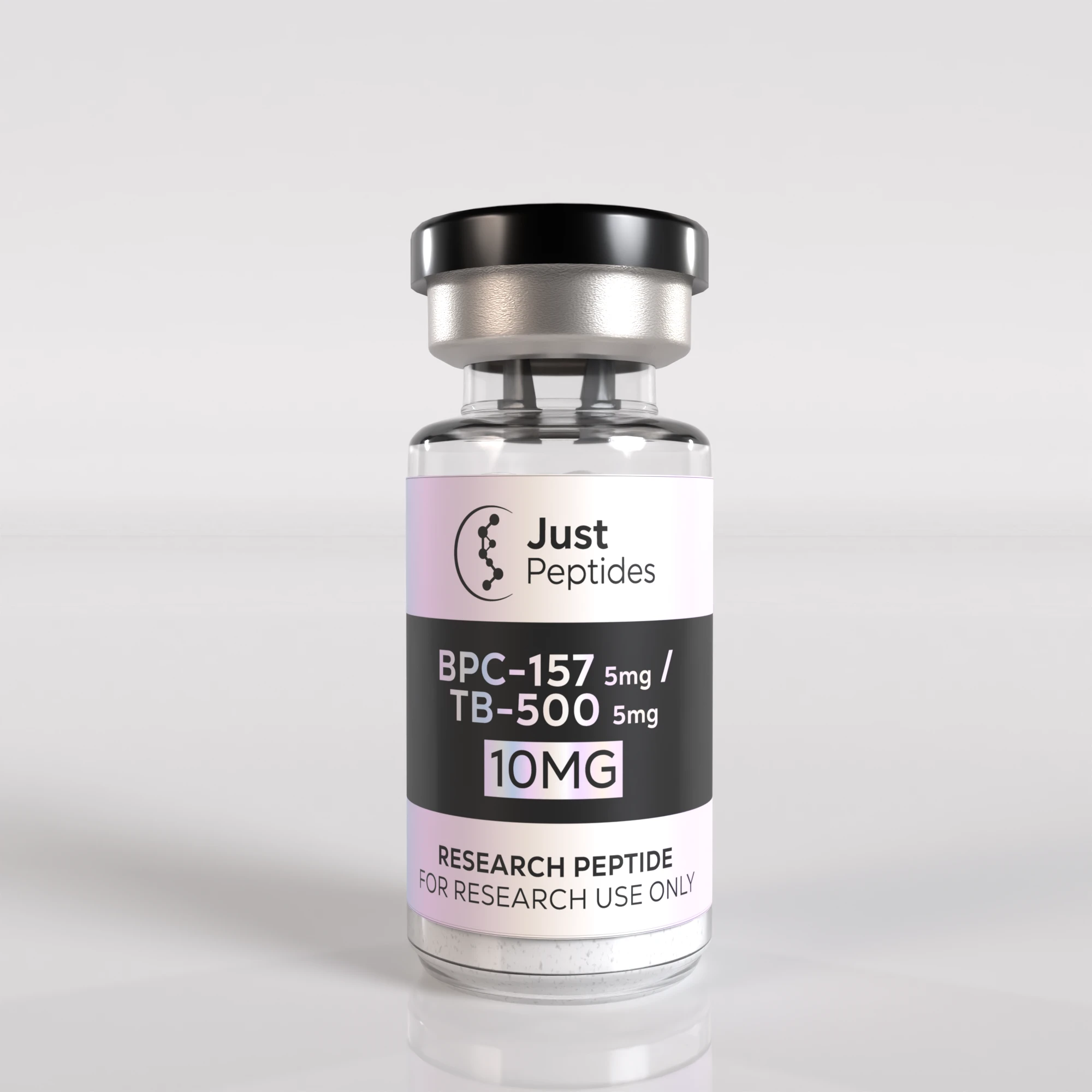
BPC-157 + TB-500
BPC-157 and TB-500 are synthetic peptide sequences derived from bovine sources, commonly studied in preclinical research for their potential biological effects on tissue repair, inflammation modulation, and regenerative processes. This product contains a combination of both peptides at a concentration of 10 milligrams per unit, intended solely for academic, pharmaceutical, or biotech research applications.
Research Context
Over the past decade, research into peptide-based therapeutics has gained significant attention due to their potential to modulate cellular pathways involved in healing, tissue regeneration, and immune response regulation. Peptides like BPC-157 and TB-500 have been examined in animal and in vitro studies for their potential to enhance wound healing, reduce inflammation, and support musculoskeletal and gastrointestinal repair mechanisms. Their mechanisms of action are not yet fully elucidated in human clinical trials, but preclinical findings suggest potential applications in regenerative medicine under controlled experimental conditions.
Research Overview
BPC-157 (Bovine Peptide-157) is a 15-amino acid peptide originally isolated from bovine intestinal mucosa. TB-500 (Translational Blockade-500) is a truncated, synthetic version of the same sequence, designed for improved stability and ease of synthesis. Together, these peptides are frequently studied for their ability to stimulate extracellular matrix production, promote endothelial function, and reduce oxidative stress. Preclinical research has indicated potential applications in treating acute injuries, degenerative conditions, and inflammatory diseases, though human translation remains in early stages.
Key Research Focus Areas
- Wound Healing and Tissue Repair:
BPC-157 and TB-500 have been examined in studies for their potential to enhance collagen deposition, vascularization, and epithelialization in damaged tissues, including acute injuries, surgical sites, and chronic ulcers. - Inflammation Modulation:
Preclinical investigations suggest both peptides may inhibit pro-inflammatory cytokines (e.g., TNF-α, IL-1β) and promote anti-inflammatory cytokine signaling, potentially offering benefits in inflammatory conditions. - Neuroprotection and Neurodegeneration:
Emerging research explores their effects on neural repair mechanisms, including support for axonal regeneration and protection against neurotoxic stimuli, though findings remain limited to animal models. - Musculoskeletal and Gastrointestinal Health:
Studies have explored their role in enhancing muscle recovery post-exercise, tendon/ligament repair, and gastrointestinal healing, particularly in models of colitis or acute pancreatitis. - Endothelial Function and Circulatory Support:
Preclinical data indicate potential improvements in vascular integrity, blood flow dynamics, and endothelial cell proliferation, which may have implications for cardiovascular health research.
Important Safety and Usage Considerations
This product is intended exclusively for research purposes and is not authorized for human or animal consumption. Peptide-based studies require rigorous oversight to ensure proper handling, dosing protocols, and compliance with institutional and regulatory standards. Preclinical findings should be validated in controlled laboratory settings before consideration for therapeutic applications. Users must adhere to all applicable guidelines governing research materials, including documentation of source validation, purity assessments, and environmental safety protocols.
For research use only. Not for human or animal consumption.
| Size | 10MG, 20MG |
|---|

Reviews
There are no reviews yet.