
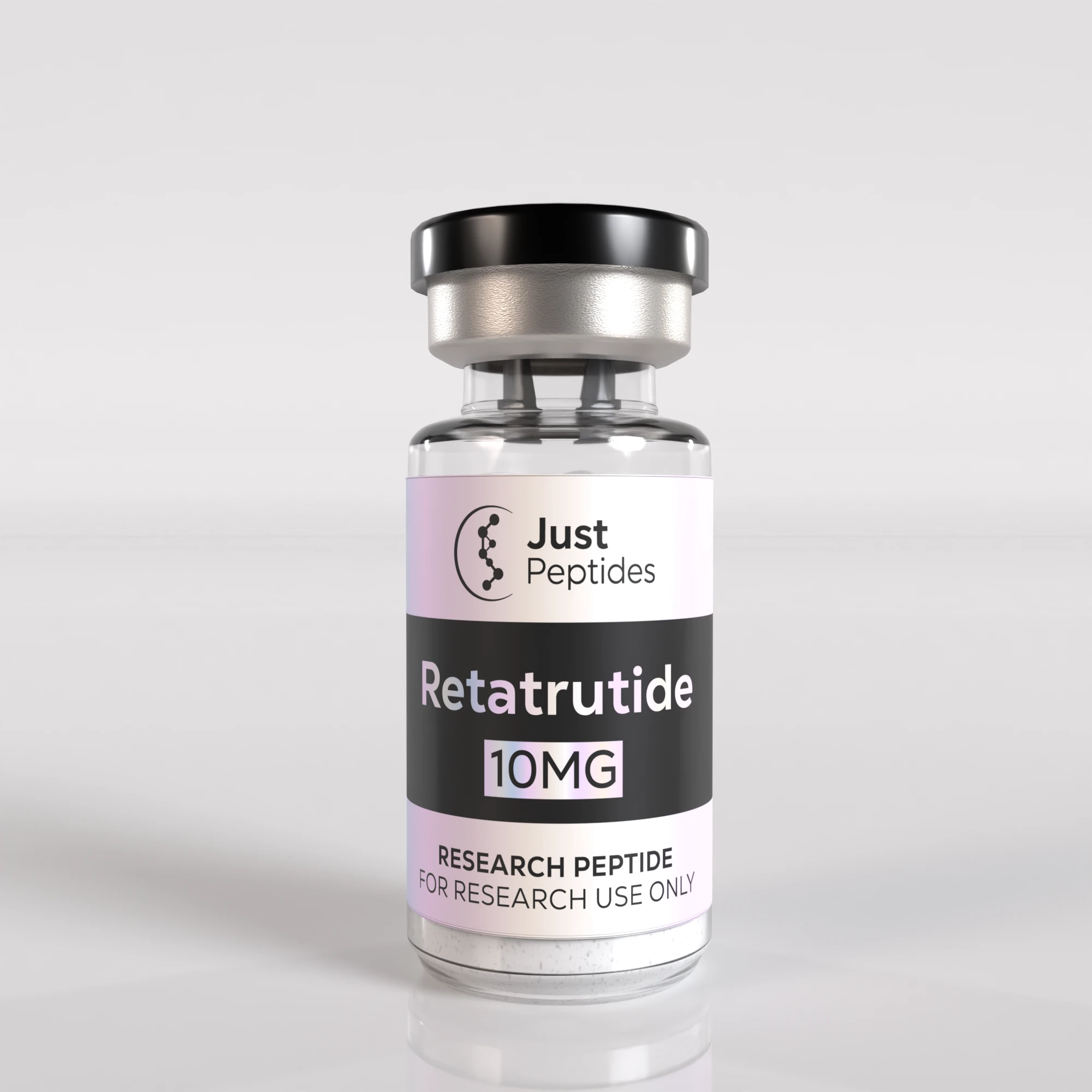
Retatrutide
Retatrutide is a multi-targeting peptide under investigation for potential therapeutic applications in metabolic and endocrine research. As a novel research chemical, it targets multiple G-protein-coupled receptors (GPCRs), including glucagon, GLP-1, GIP, and peptide YY, offering promise for further exploration in preclinical studies.
Research Context
Retatrutide represents an advancement in peptide therapy research, designed to simultaneously modulate multiple hormones involved in glucose metabolism, energy balance, and gastrointestinal function. Unlike traditional single-target therapies, its dual or triple mechanistic action positions it as a candidate for studying complex physiological pathways.
Research Overview
Preclinical studies have demonstrated retatrutide’s ability to induce weight loss and improve metabolic parameters in animal models. Its mechanism of action involves:
- Increased insulin sensitivity and glucose tolerance
- Enhanced satiety through gut-derived signals
- Reduced hepatic gluconeogenesis
Ongoing research focuses on optimizing dosing strategies and safety profiles within controlled laboratory environments.
Key Research Focus Areas
- Metabolic Regulation: Investigation of its effects on body composition, energy expenditure, and lipid metabolism in animal models
- Endocrine Effects: Study of its influence on growth hormone, cortisol, and reproductive hormones in preclinical settings
- Gastrointestinal Function: Examination of its impact on gastric emptying, nutrient absorption, and satiety mechanisms
- Safety Profiles: Comprehensive toxicological assessments across different dosing regimens
- Pharmacokinetics: Evaluation of its absorption, distribution, metabolism, and excretion patterns
Research involving retatrutide must be conducted under strict institutional guidelines to ensure proper ethical standards and safety protocols.
For research use only. Not for human or animal consumption.
| Size | 30MG, 10MG, 20MG |
|---|




Reviews
There are no reviews yet.